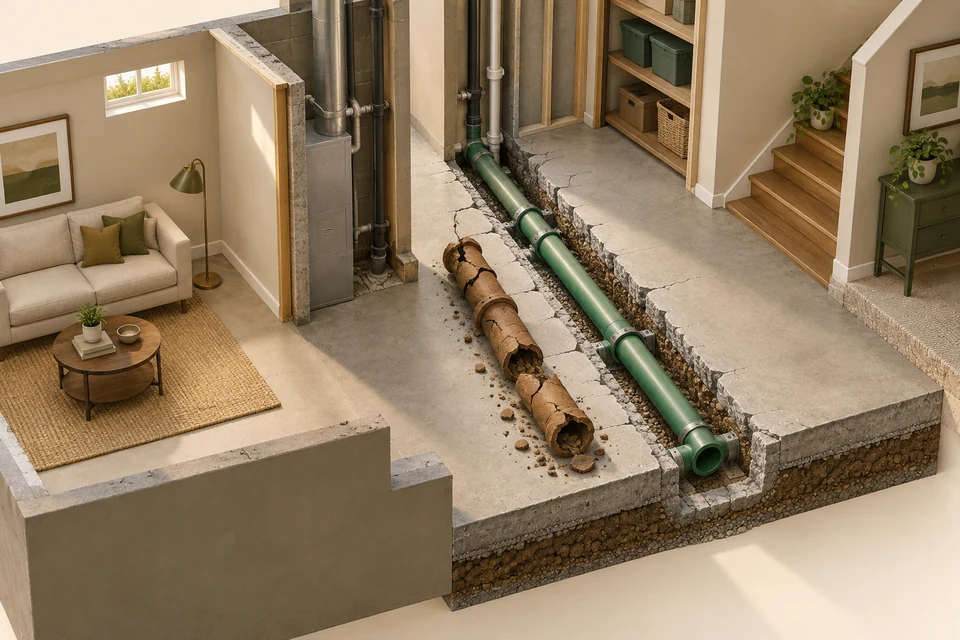
Replacing a sewer line under a basement floor means cutting and breaking out a strip of the slab, digging to the pipe, laying new pipe on bedding at the right grade, getting the open trench inspected, then backfilling and repouring the concrete. When the old pipe is still round and continuous, lining it from a cleanout can avoid breaking the floor. Either way, a camera must confirm the problem first.
- Confirm the failure with a recorded camera run before anyone cuts concrete; floor drain backups have many causes.
- Slab work is a trench indoors: saw cut, break out, dig, lay, inspect, backfill, repour, then refinish.
- Lining from a cleanout can avoid the floor, but not if the pipe is collapsed or sagging.
- An open floor is the cheapest moment to add a cleanout or a backwater valve.
- Plan for no drains, dust control and the finishing trades after the concrete cures.
01 /What pipe runs under a basement floor?
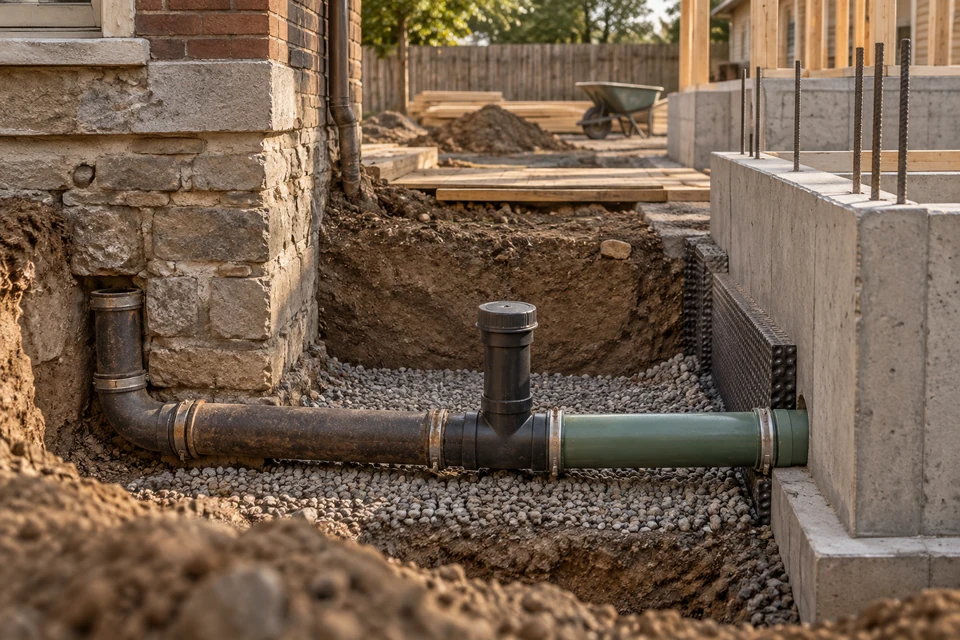
Under most basement slabs runs the main building drain: the pipe that collects the stack, the floor drain and any basement fixtures and carries them to the foundation wall, where it continues outside as the building sewer to the property line. Branches from a basement bathroom, a laundry and the floor drain join it under the concrete. The plumbing code draws the exact boundary between building drain and building sewer; for a homeowner, what matters is that the pipe under the floor is part of your private line and your responsibility.
In older Calgary houses that under-slab pipe is often cast iron or clay from the original build, joined to newer plastic where someone has renovated. The junctions between materials, and the point where the drain passes through the foundation, are common places for trouble.
02 /How do I know the pipe under the floor is failing?
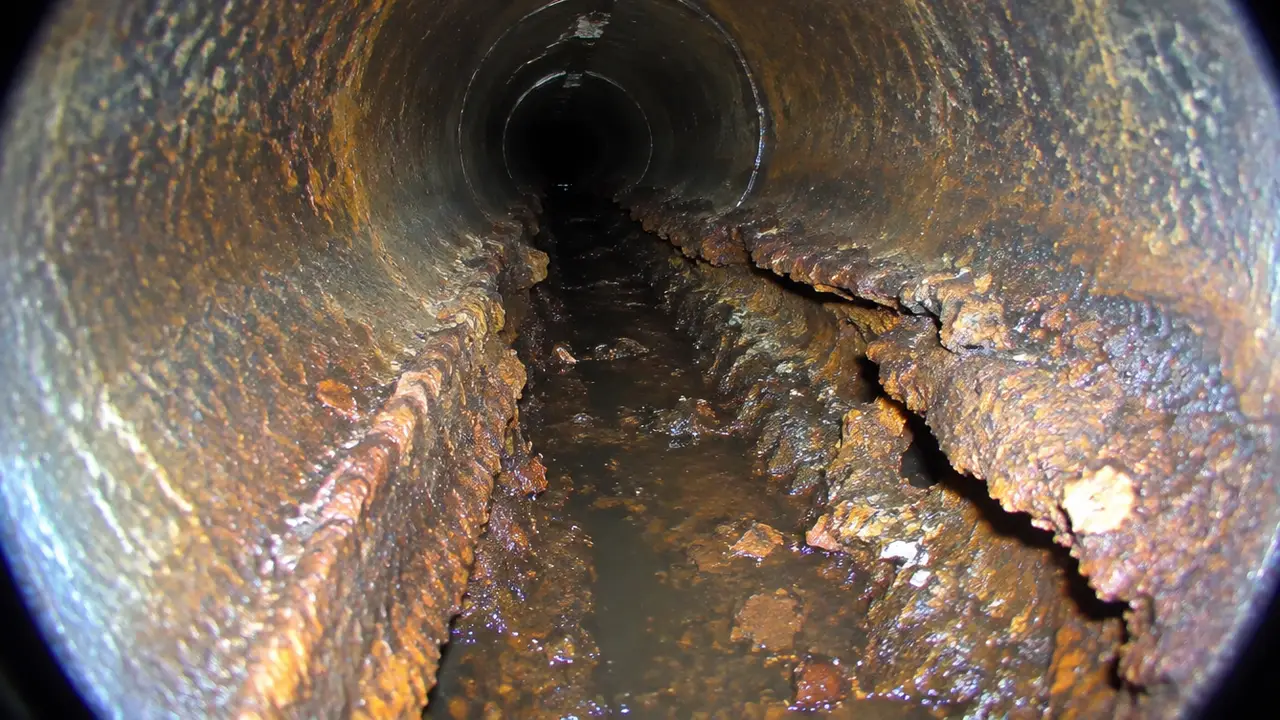
Symptoms point to the drain but do not prove it. A floor drain that backs up, a sewer smell in the basement, a damp patch or a sinking section of floor can all come from a failing pipe under the slab, and each can also have other causes, from a blockage further out in the lateral to a dry trap or surface water. The only reliable answer is a recorded camera run from a cleanout through the under-slab drain, with the distances on screen.
| Symptom | Could be under-slab failure | Also check |
|---|---|---|
| Floor drain backs up | Collapsed or offset drain, roots at a joint | A blockage in the lateral outside, the City side, heavy rain |
| Sewer smell in the basement | Broken pipe under the floor | A dry floor drain trap, a vent problem |
| Damp patch or efflorescence | Leaking joint under the slab | Groundwater, weeping tile, a supply leak |
| Sinking or cracked slab over the drain line | Soil washed into a broken pipe | Settlement of fill unrelated to the drain |
Ask the camera technician to mark on the floor, with a sonde, exactly where each defect sits and how deep the pipe is. That turns a vague problem into a measured strip of concrete, and it is what makes an honest quote possible. Run what the footage shows through the New Line or Repair? Check before deciding how much to replace.
03 /Should the floor be cut, or can the pipe be lined?
It depends on the shape of the pipe. Cured-in-place lining forms a new pipe inside the old one from a cleanout, so the floor stays intact, which can be decisive in a finished basement. But a liner follows the existing pipe: it cannot bridge a collapse, fix a belly where water pools, or correct a connection that was built wrong. Those need the floor opened.
Mixed jobs are common: open a short strip of floor where the drain has collapsed or sagged, and line the rest. For the lining side in depth, see TrenchlessSewerRepair.ca.
04 /What happens during an under-slab replacement?
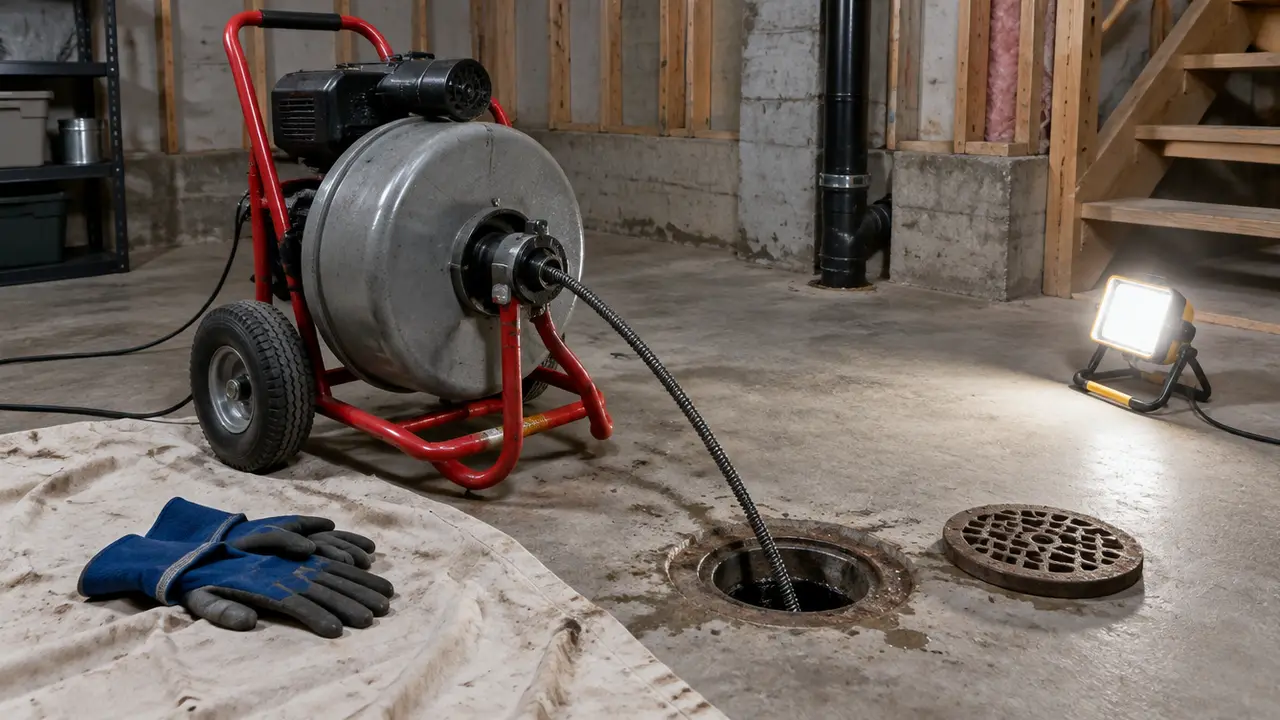
- Protect the house
Contents moved, dust barriers and floor protection up, and a plan for where broken concrete and soil will go, usually out through a window well or door.
- Saw cut and break out
The slab is cut along the route of the pipe and broken out in a strip. Saw cutting creates fine silica dust, so it should be done with water or dust extraction.
- Dig and remove
The soil is dug to the pipe, often by hand. The old pipe comes out and branches are opened up.
- Lay the new pipe
New pipe on bedding at the grade the code and the design require, with branches rebuilt and a cleanout added where useful.
- Inspect
The open trench is inspected before anything is covered. For a Calgary homeowner permit, the City lists a rough-in inspection once drainage and venting are installed.
- Backfill and repour
Compacted fill, any vapour barrier replaced, and new concrete poured and levelled to the old floor.
- Refinish
After the concrete cures, flooring, framing and wall finishes go back, usually by a different trade.
05 /What does replacing a sewer line under a slab cost?
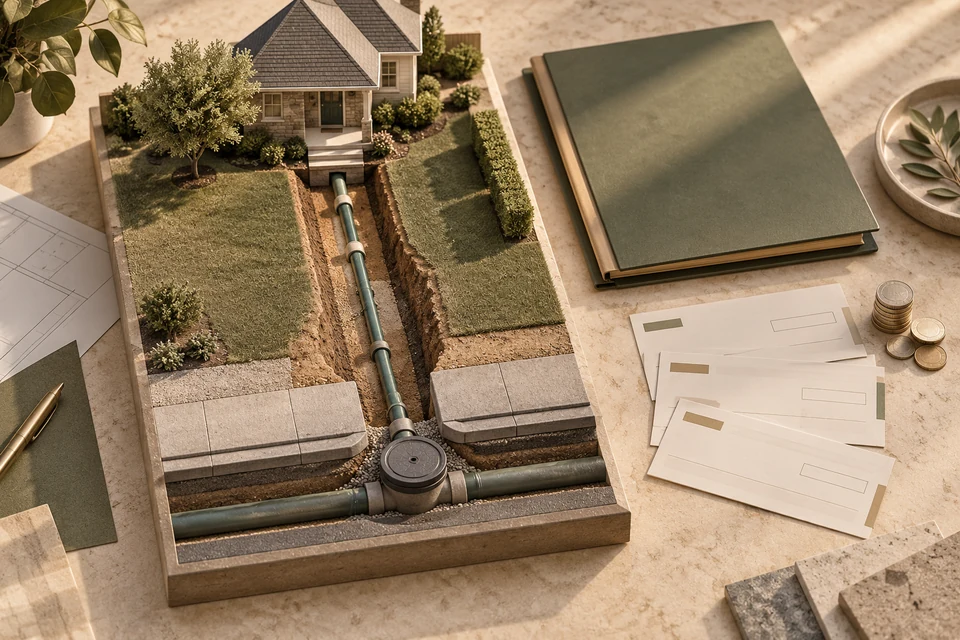
As a 2026 planning estimate, a repair or short replacement under a basement slab commonly quotes about $4,000 to $12,000 CAD. Longer under-slab runs cost more, and a job that also replaces the lateral outside is priced like a full new line plus the floor. The HAUSE network's planner adds $2,000 to $6,000 for breaking out and restoring a finished basement floor on top of the pipe work.
The biggest variables are the length of floor opened, what sits on it (bare concrete, tile, cabinets, a bathroom), and what finishing is included. Ask whether the quote stops at "concrete patched level" or includes flooring and walls; most plumbing quotes stop at the concrete. The full price picture for a new line is on the cost page.
06 /What else should be done while the floor is open?
An open basement floor is the cheapest moment in the life of a house to change what is under it. Three additions are worth pricing before the concrete goes back.
- A cleanout near the foundation on the main drain, so future cameras and cables can reach the line without pulling a toilet.
- A backwater valve, if the basement has fixtures that could be flooded by a sewer surcharge. If the house has a secondary suite, a City of Calgary advisory from October 2022 says a normally open backwater valve may not serve more than one dwelling unit, so ask how each unit will be protected.
- Rough-ins for a future basement bathroom or laundry, if you are likely to add one.
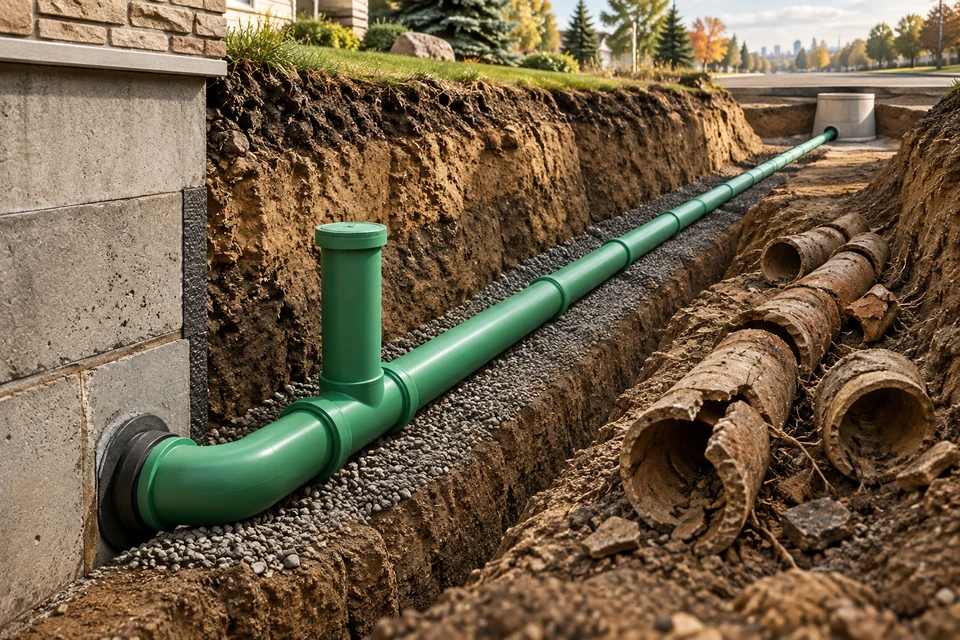
If the failing section continues outside the foundation, the outdoor part is a lateral replacement, and doing both together shares the permit, the inspection and the disruption. Renovation timing is covered in infill and renovation sewer lines. When you want it priced, send the footage and a few photos of the basement.
FAQQuestions people ask
How do you replace a sewer line under a concrete slab?
The slab is saw cut and broken out along the pipe, the soil is dug out, the new pipe is laid on bedding at grade and inspected, and then the trench is backfilled and the concrete repoured.
Can a sewer line under a basement floor be replaced without breaking the floor?
Often it can be lined from a cleanout if the pipe is still round and continuous. A collapsed pipe, a sag or a layout change needs the floor opened.
How long does an under-slab sewer replacement take?
The plumbing is often a few days, including inspection, but concrete cure time and refinishing add more. Ask for the no-drain window and the cure time before flooring goes back.
Is a sewer line under the house covered by home insurance?
Usually not for wear or deterioration. Sewer backup coverage is an optional add-on for contents and damage after a backup; ask your insurer in writing whether anything applies to the pipe.
Should I add a backwater valve while the basement floor is open?
It is the cheapest time to do it. If the house has a suite, protection has to be arranged so no normally open valve serves more than one dwelling unit.
NETWORKGo deeper across the HAUSE Sewer network
Can a sewer scope cause problems? The real risks and how to avoid them
Can a sewer scope cause an issue? The real risks of a camera inspection: toilet reset leaks, seized cleanout plugs, stuck cameras, odours and who pays.
Backwater valve installation cost and municipal subsidies
Backwater valve installation cost in Canada for 2026: CAD ranges for unfinished and finished basements, line items, subsidy program patterns and insurance angles.
Backwater valves: how they work and how to maintain one
How a backwater valve works, normally open vs normally closed types, a step-by-step maintenance routine, and what to do when it closes in a storm.